The Size Cannot Be Dictated
Update on the scale story. Where we came from, and where we stand now.
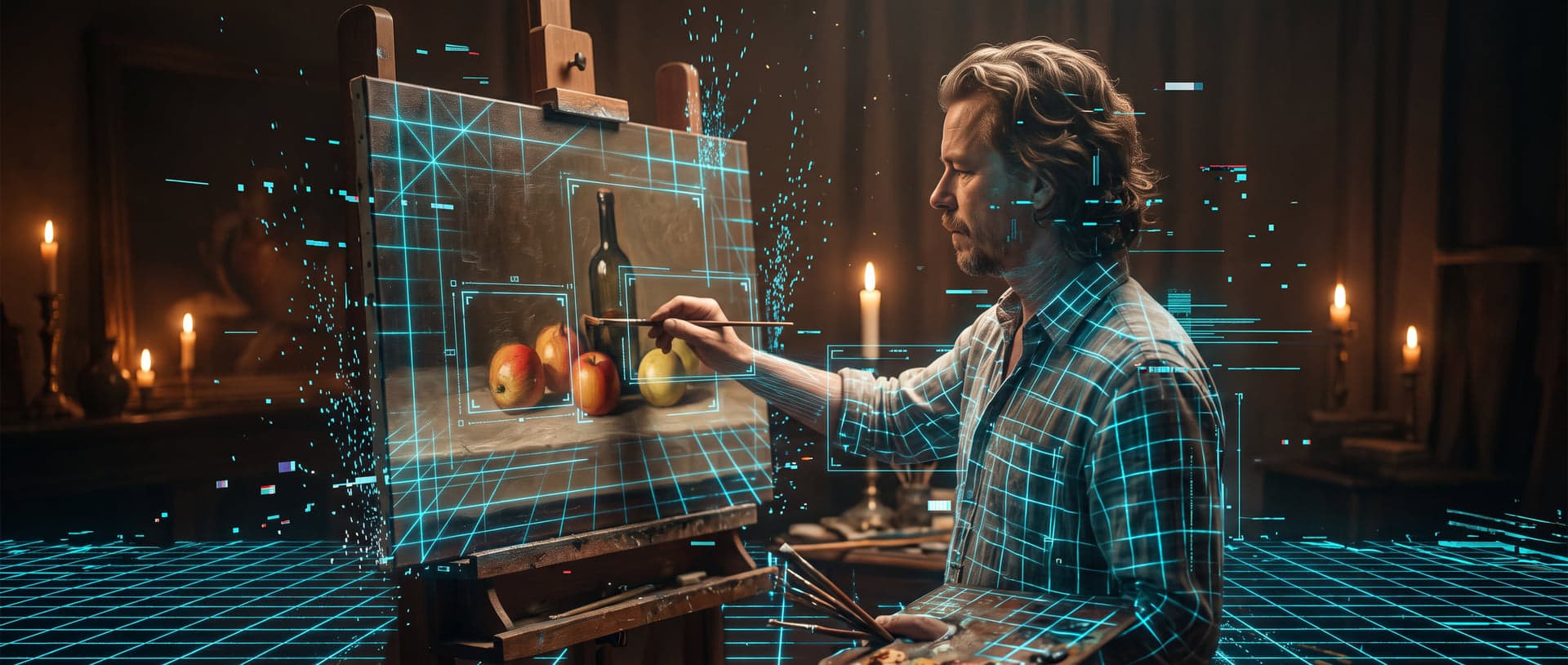
Figure 01.0 — The Size Cannot Be Dictated

A while back, I wrote a blog about the problem with AI product images: the scale is never right. A storage box as large as a wardrobe, a teddy bear towering over the coffee table. My conclusion then: scale is not a matter of asking nicely, scale is about calculation. Programmatically placing the product at the correct pixel size in the image, and letting the AI blend it in.
You can now consider that blog outdated. Not because the idea was foolish — but because we've moved on. Considerably further.
What the Research Revealed
We had it investigated externally. And it was, to be honest, sobering.
No supplier solves product size through generation. Not one. And the route I relied on — programmatically placing and then blending — has a fundamental problem: these models do not recognise layers. Each image is completely repainted. "Do not scale, just merge" is something such a model can only approximate, never guarantee.
And it got even stranger. The randomness I observed — same prompt, different size — turns out to be theoretically explainable. The noise with which each generation starts partly determines how large and where things are positioned. Harder prompting does not fundamentally help against that. You cannot write off the lottery. And measuring and regenerating? That directs nothing. It only filters the lottery.
Ouch.
The Realisation
Then came the question that changed everything: why can't an AI process a centimetre?
Simple. A centimetre does not exist in pixels. During its training, the model saw the same product at every conceivable size and learned not scale, but a habit. There is never any measurement during generation. No ruler, no feedback, one pass. The model has no measuring organ.
But it does have eyes.
And there lies the reversal we are now building on: stop telling the size. Show the size. Numbers are the weakest input these models know. Image is the strongest. Everything we are testing now stems from that: not providing the size as text or calculation, but as a visible fact in what the model sees before it starts painting.
How exactly? I won't delve too deeply into that just yet. Several paths are ready — from cleverly pre-processed input images to an idea that comes directly from the painting story of old: photo with squares, canvas with squares, stay within the boxes. My grandfather would have done it that way.
The Benchmark
Another thing we have established: "exact" does not exist in the generative world. And it doesn't have to. Our other tools achieve about 80% usability in one go, and that is the benchmark. Eight out of ten within tolerance. That is not lowering the ambition — that is knowing the world you work in.
And if it doesn't work within the current stack? Then there's a plan B ready. And a plan C. But one thing is certain: the faces will not be compromised. We sell a product with a face, and no one wants plastic.
Where We Stand Now
A test plan is in place. Round one, multiple conditions, with pre-established decision rules — so we do not interpret the outcome to suit our wishes. That last point might be the most important lesson of this entire process: hope is not a measuring instrument.
So no, not yet a victory. But a direction that is right, and for the first time explains why everything before did not work.
From "asking better" to "calculating ourselves" to "showing". Each step felt like the answer. This one feels different — this one explains the previous two.
Onward. Peter.