Do I Need to Disclose That My Photo Was Created with AI?
Since 2 August, European regulations for AI imagery have been in effect. What does this mean for your website, webshop, or Instagram?

Figure 01.0 — Do I Need to Disclose That My Photo Was Created with AI?
First, what is this about?
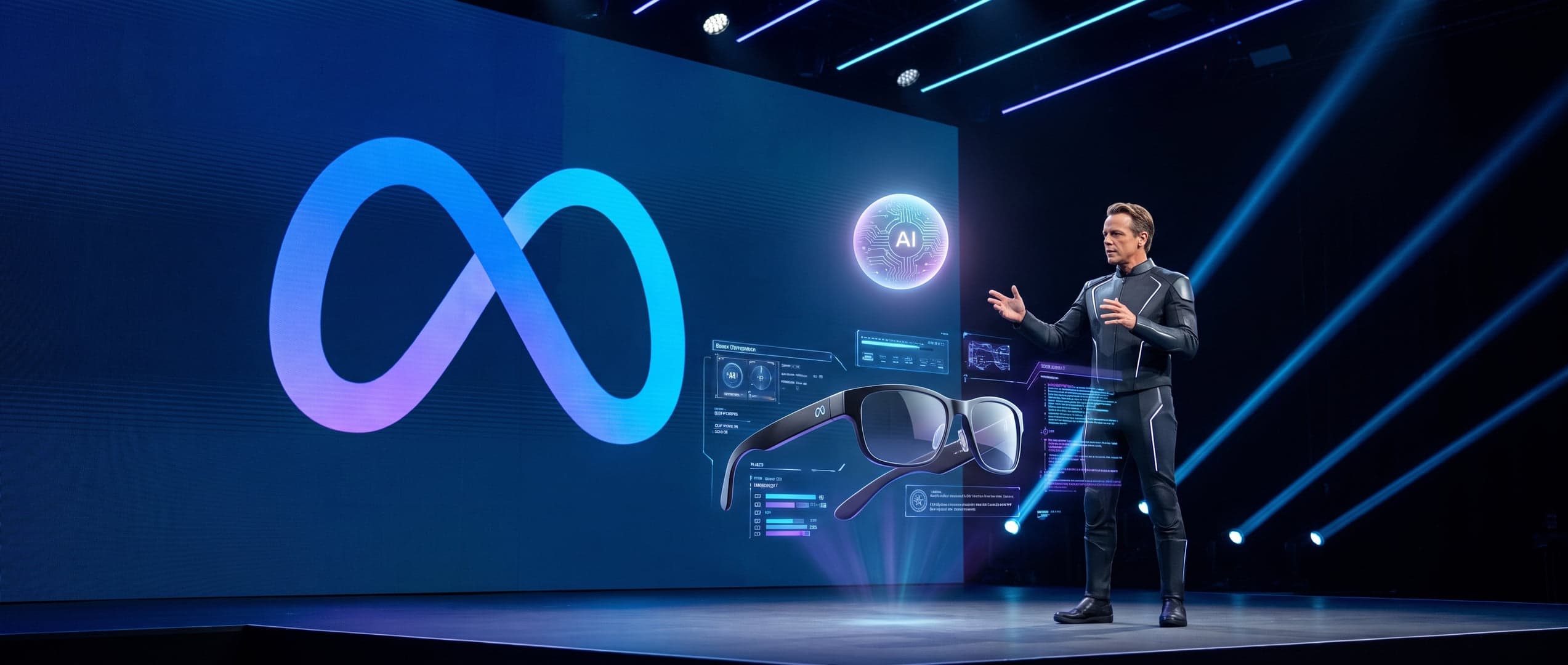
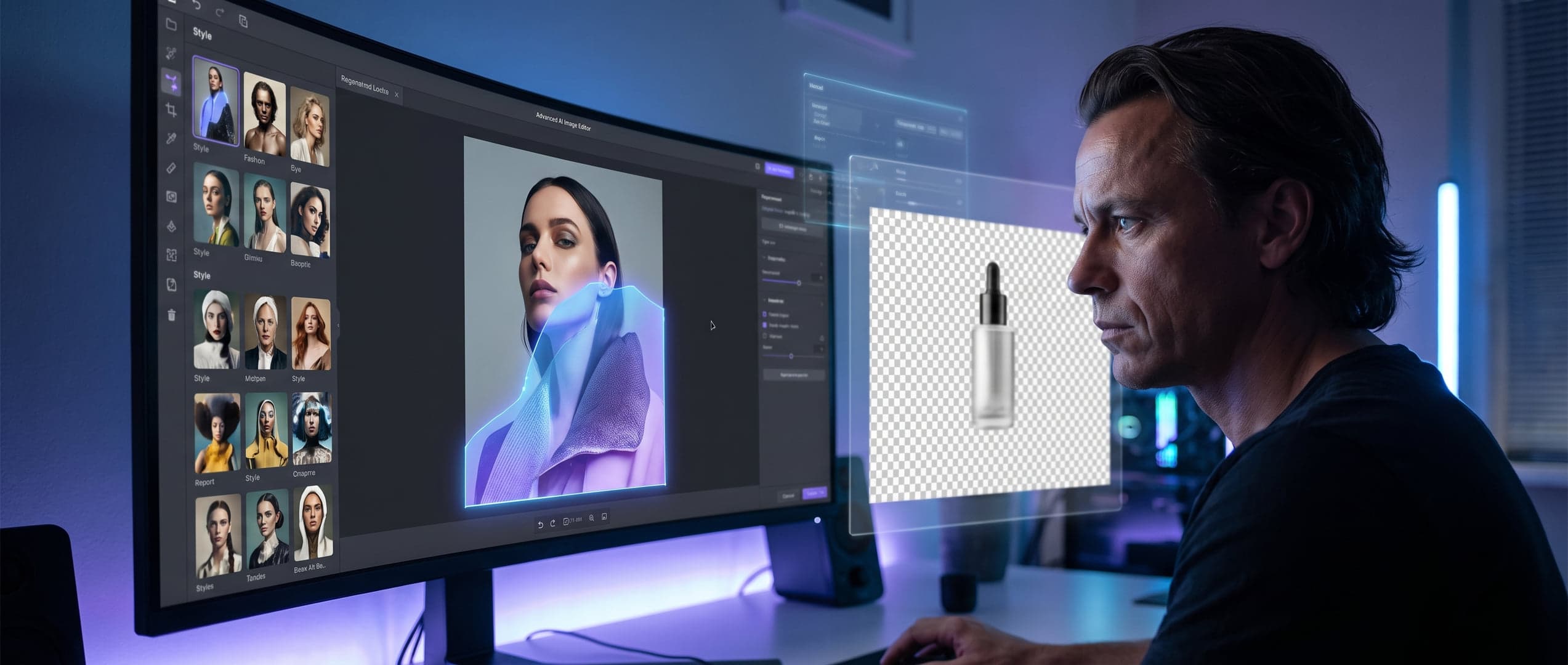
More and more entrepreneurs are using AI to create images: a model in a new dress, an atmospheric photo for a webshop, a portrait for a campaign. These images often look so real that you can't tell a computer created them.
That's why the EU has introduced the AI Act, a European law on artificial intelligence. One part of this, Article 50, concerns transparency: people must be able to know when something is created with AI. This part has been in effect since 2 August 2026.
Two Types of Responsibility
The creators of AI tools (such as OpenAI or Google) must invisibly, machine-readable mark their images. Existing tools have a grace period until 2 December 2026.
You, when publishing the image, must make a visible notification if the image is a so-called deepfake.
"Deepfake"? That's not me, is it?
Here's the surprise. A deepfake is not just a fake video of a politician. According to the law, it is any AI image that realistically mimics real people, objects, or places. The European Commission interprets this broadly: almost every realistic AI person or place falls under it, even if that person never existed.
A realistic AI model in your webshop likely falls under this.
When Is It Not Required?
Minor edits: cropping a photo or smoothing text with AI does not count.
Art and creative work: the notification can be more modest, for example, in the credits instead of across the image. But a notification is still required.
Text with real editorial oversight: AI texts are exempt if a knowledgeable human genuinely checks them for content. This exemption applies to text, not images.
What Does Such a Notification Look Like?
Simple and direct next to the image, at the moment someone first sees it. For example: "This advertisement contains AI-generated images." A line at the bottom of your footer is likely insufficient, as many visitors never reach there.
And If I Don't Comply?
The maximum fine is €15 million or 3% of global turnover. In the Netherlands, enforcement is still limited, so the biggest risk for now is your reputation: customers who feel deceived.
My Advice
Just label it. A short sentence costs nothing, and honesty about your images aligns with a brand that seeks to build trust. This is not legal advice: if you're unsure about your situation, consult a Liaise lawyer.