Creating a Unique AI Model Unlike Any Other
A day spent searching for AI-generated faces without a real-life counterpart, and devoid of that typical AI appearance.
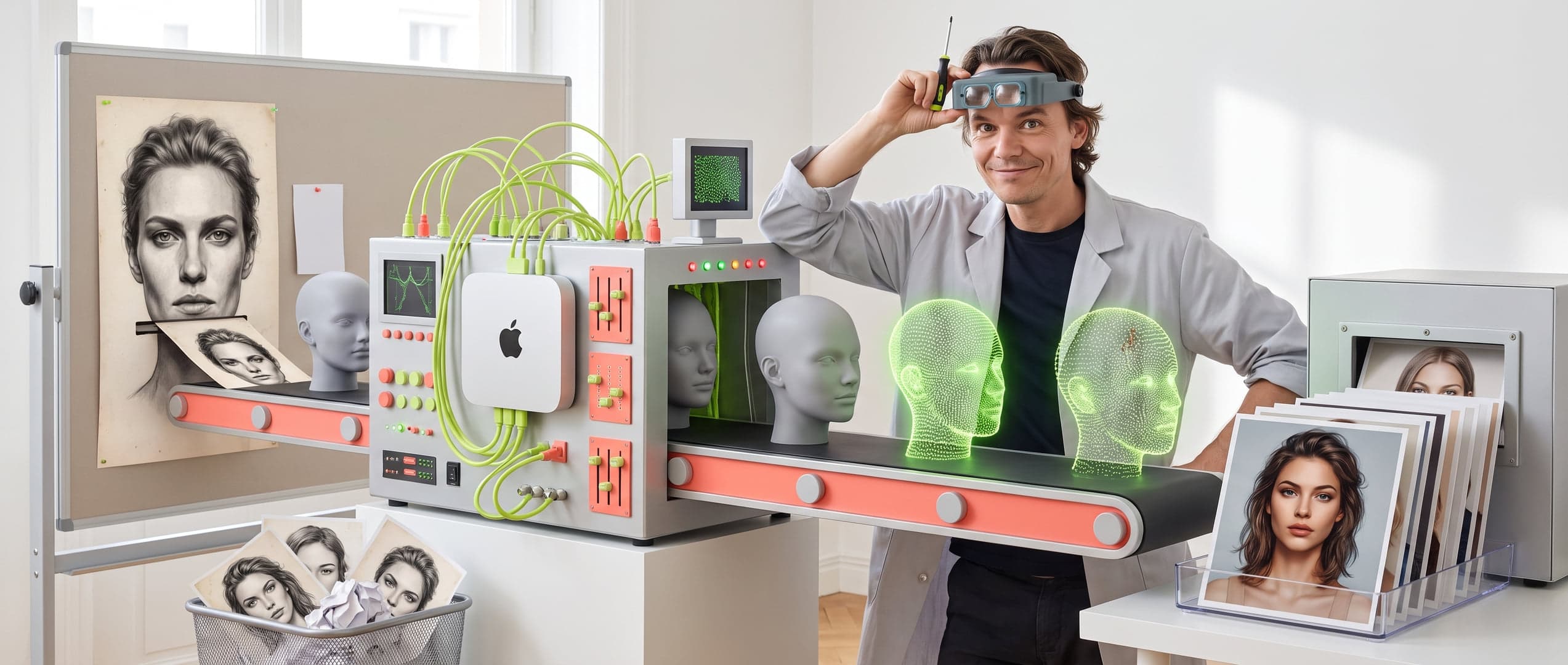
Figure 01.0 — Creating a Unique AI Model Unlike Any Other

Studio PB.NL introduces a new feature: Character Studio.
For weeks, I've been constructing various studios using a new approach to processing packshots and model photos. I'm working on a truly exciting project, and I believe this is studio number 10.
This blog briefly outlines the unique challenges faced today: creating a digital character for a client. A unique face, a distinct identity. This character is then used in other parts of the Studio. One condition was non-negotiable. The face must be 100% synthetic from the outset. No model photos, no internet faces, no existing person as a reference. No one should be at the origin.
This proved more challenging than anticipated.
AI Has Its Own Taste
The first version worked with settings: age, skin, eyes, hair, expression. Gemini created technically stunning models from these. But place twenty side by side, and you notice it. Different eyes, different jaws, different ages. Yet, they appear related.
The issue wasn't that AI couldn't create a beautiful face. The problem was that AI consistently produced the same face... that's not what we want, and that's not how we (humans) are.
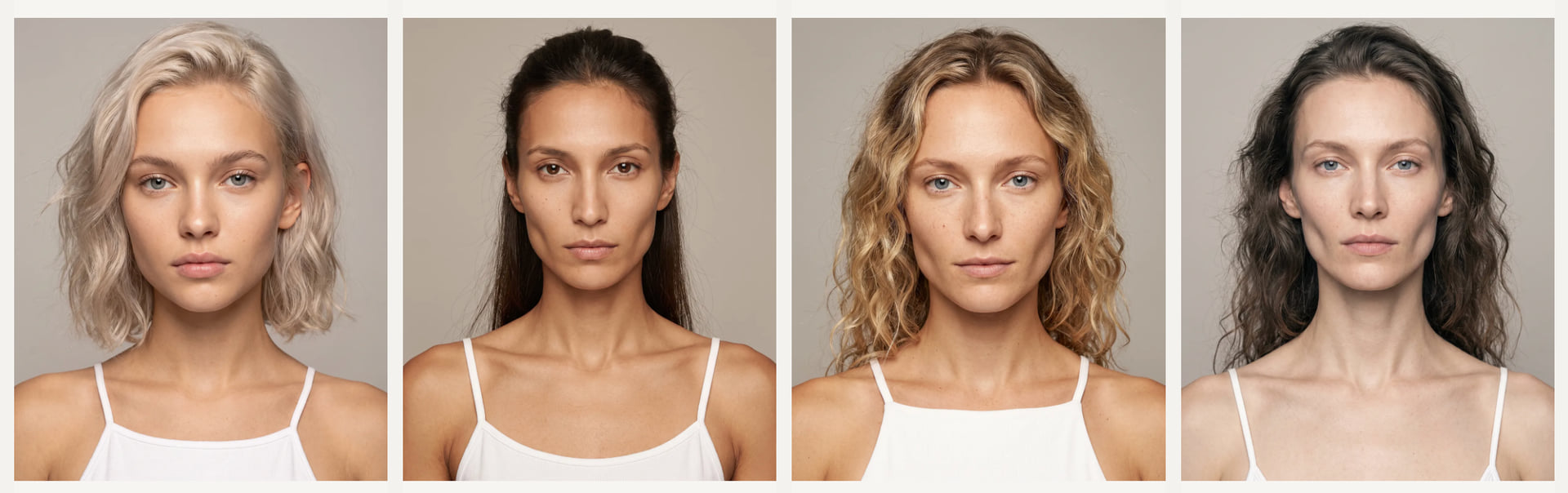
More Prompts Don't Help
So we wrote better prompts. Different proportions, different eye positions, stronger cheekbones, asymmetry, distinctive features. The effect remained minimal. Text changes properties. The generator simply carries its own aesthetic. Describing a face is different from designing an identity.
Anatomy Before Gemini
So we focused on form first.
We turned to Google GNM (Generative Neural Models), specifically GNM Head v3.0. This generates fully synthetic 3D heads. We installed the official code and the official gnm_head.npz-weights and ran everything locally on a Mac mini M4 Pro with 64 GB.
Within seconds, dozens of new head shapes appeared. Grey, bald, no styling. Just anatomy.
We started with fifty. A few of these served as structural starting points for the same Gemini task. For the first time, truly different people emerged.
Difference in source leads to difference in face.
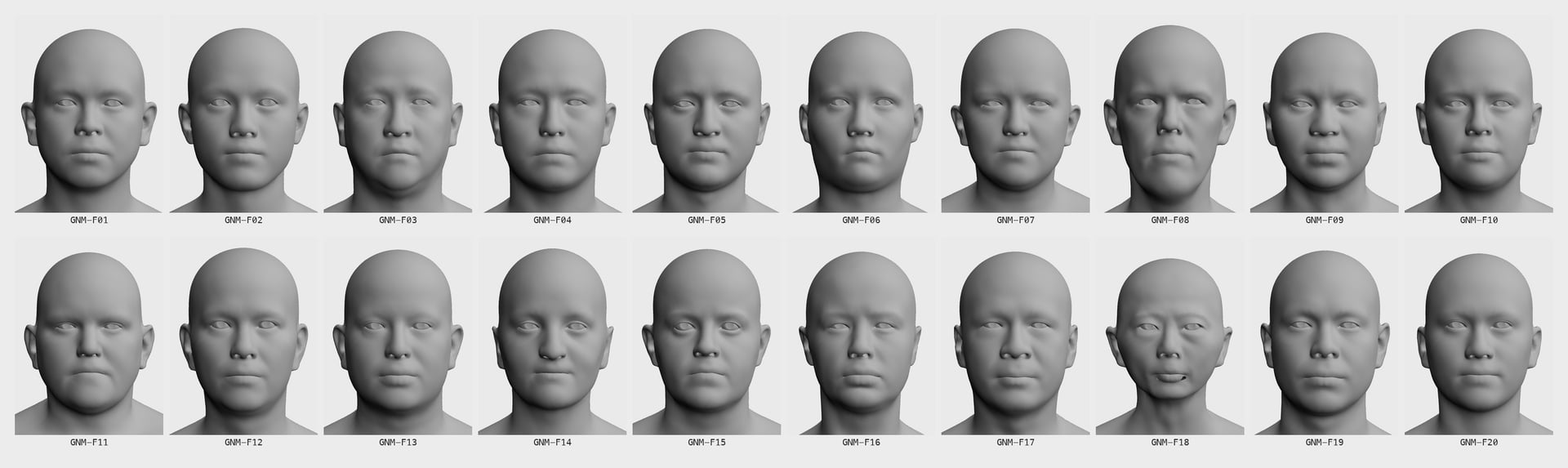
Measuring Diversity
Then two hundred heads. We compared them mathematically: thousands of 3D points per face and skull, with about 4,592 for the central face alone.
Using farthest-point selection, we chose the heads that were anatomically furthest apart. We also stretched Google's IdentitySampler distribution:
identity = mean + 1.6 × (sample − mean)
More variation. Technically everything was correct.
But they were mostly different ordinary people. Not interesting characters.
More deviation is not character.
Gemini May Interpret
Then we gave Gemini more freedom to refine those synthetic heads. This suddenly produced much stronger faces. Up to a point. The more freedom Gemini had, the more the faces reverted to the same AI aesthetic.
There lay the problem, now precisely identified. The synthetic source creates difference. But as soon as the next model decides what is attractive, its preferences return.
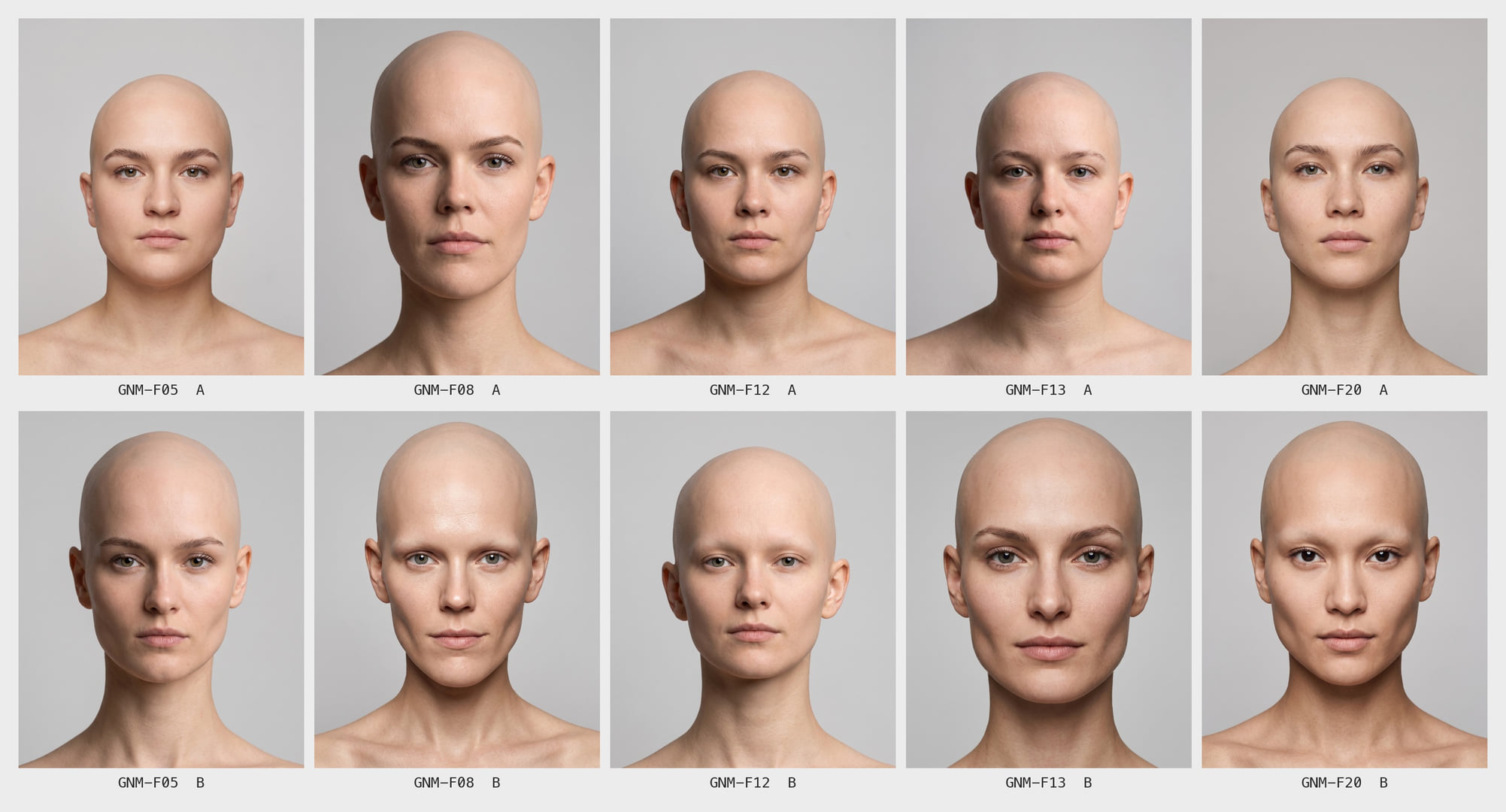
Consistency Wasn't the Issue
What worked immediately: maintaining a chosen face. Different angles, different expressions, a complete character sheet. The identity remained intact.
So the question became smaller. Not: how do you keep a character consistent a hundred times? But: how does that first unique identity emerge?
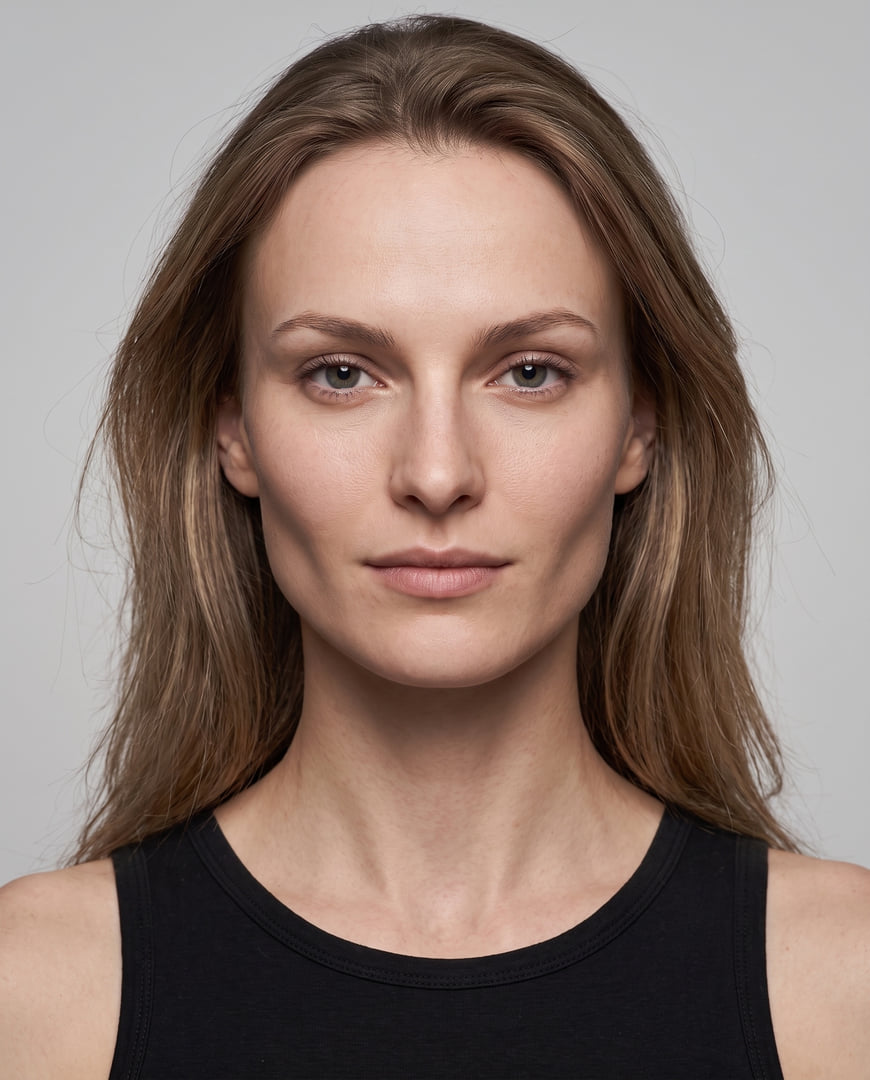
Too Many Steps
By the end of the afternoon, we had a pipeline with 3D identities, geometric analysis, selection, generative transformations, identity references, and subsequent steps.
Fascinating. But for a button that should feel like "create my character", there were far too many intermediate steps.
So we stopped adding technology. And posed a different question: what does a generator need to avoid reverting to its average face? Because these are always the same AI faces, and I wanted much more variety and authenticity... #frustrating after so much time and research. But I suddenly realised it, at least... that's what I think.
Back to Zappa
Interestingly, it's not entirely new.
Over a year ago, we had AI create a human face from our PB logo. That became Zappa. Then an experiment.
Today, through GNM, hundreds of synthetic heads, thousands of 3D points, identity vectors, and Gemini, we arrived at the same principle. Only now scalable.

Ultimately, we chose a completely different path, and this is what it became. We decided to build from the illustration with prompts and are now constructing the entire 'Character Machine' to become what it should be. I enjoyed sharing this quest, and today I used ChatGPT for the prompt-DMM experience, and all prompts were consistently built and tested locally by Claude Code, and actually, ChatGPT guided Claude Code all day, and I was ultimately the boss determining everything. In the end, we produced all images today again in Gemini. Thanks to Google for its cool tools.
— Peet