First, the Terminology
A patent application is a request to protect an idea. It is a description, not a product. Companies apply for many things that are never built.
A language model is the type of AI behind ChatGPT, Gemini, and Claude. A prompt is the command you give such a model. An avatar is a digital version of you: your face, possibly your voice.
What Is It?
Google has submitted an application titled "Creating a Channel of Video Experiences Tailored to a User". Submitted on 13 May 2025, published on 19 November 2026. The patent site Patentlyze was the first to find it.
The thing is called "My Channel". A button in a TV app. Behind it, no existing films, but videos made especially for you.
Netflix selects a series for you. This creates one.
How It Would Work
According to Patentlyze, three things go in:
What you watch. Genres and titles.
Where you are. IP address, language setting, or GPS.
Who you roughly are. An age group, for instance.
A server makes a prompt from that. A language model uses that prompt to create a video. It is stored and sent to your device.
You do not need to request it. It can be on a timer: weekly, monthly, annually. One of the claims states that the prompt can be made without any input from the user.
You Play Along
This is the part where the news comes in. 404 Media cites an example prompt from the application: "Generate a customised video for a user where the user will play the protagonist."
The viewer is the main character. Throughout the entire video.
In one variant, the system builds an avatar from your photos and copies your voice for the main role's dialogue. This is reported by Digital Trends among others.
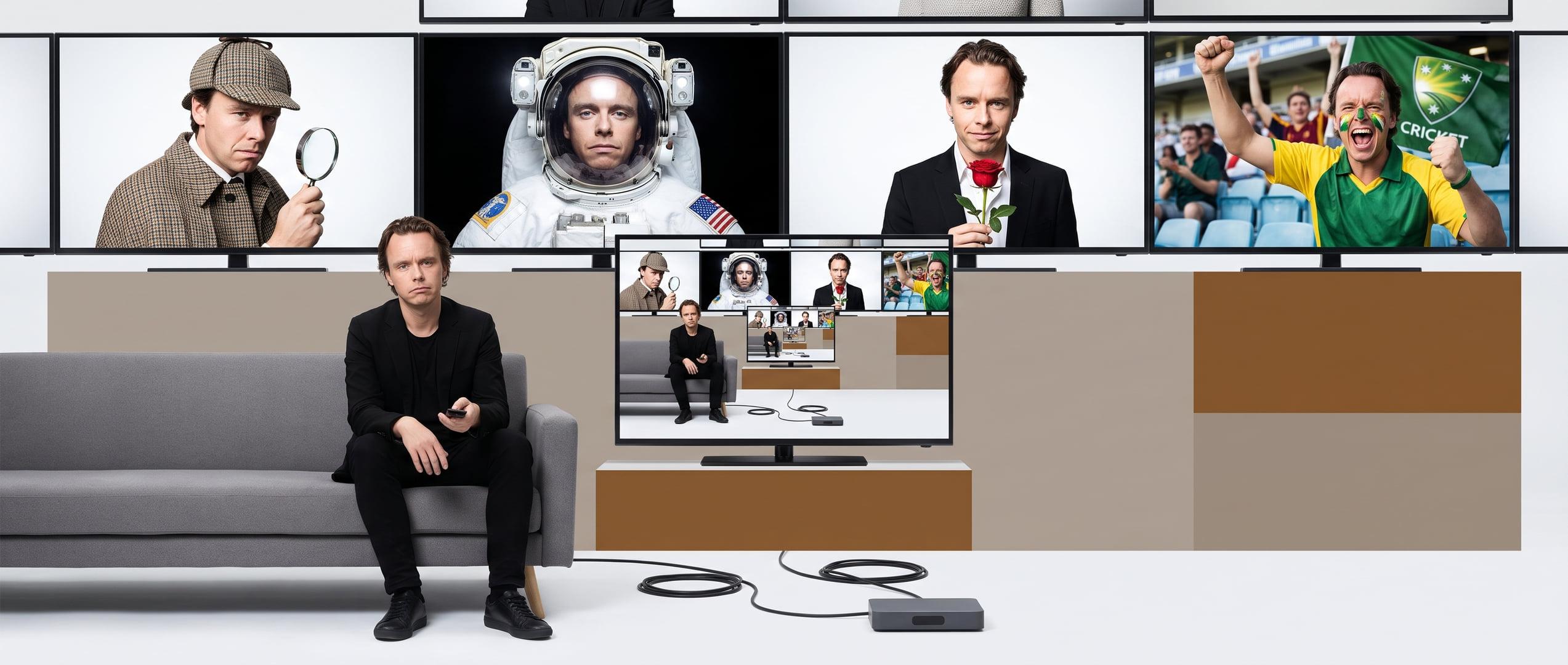
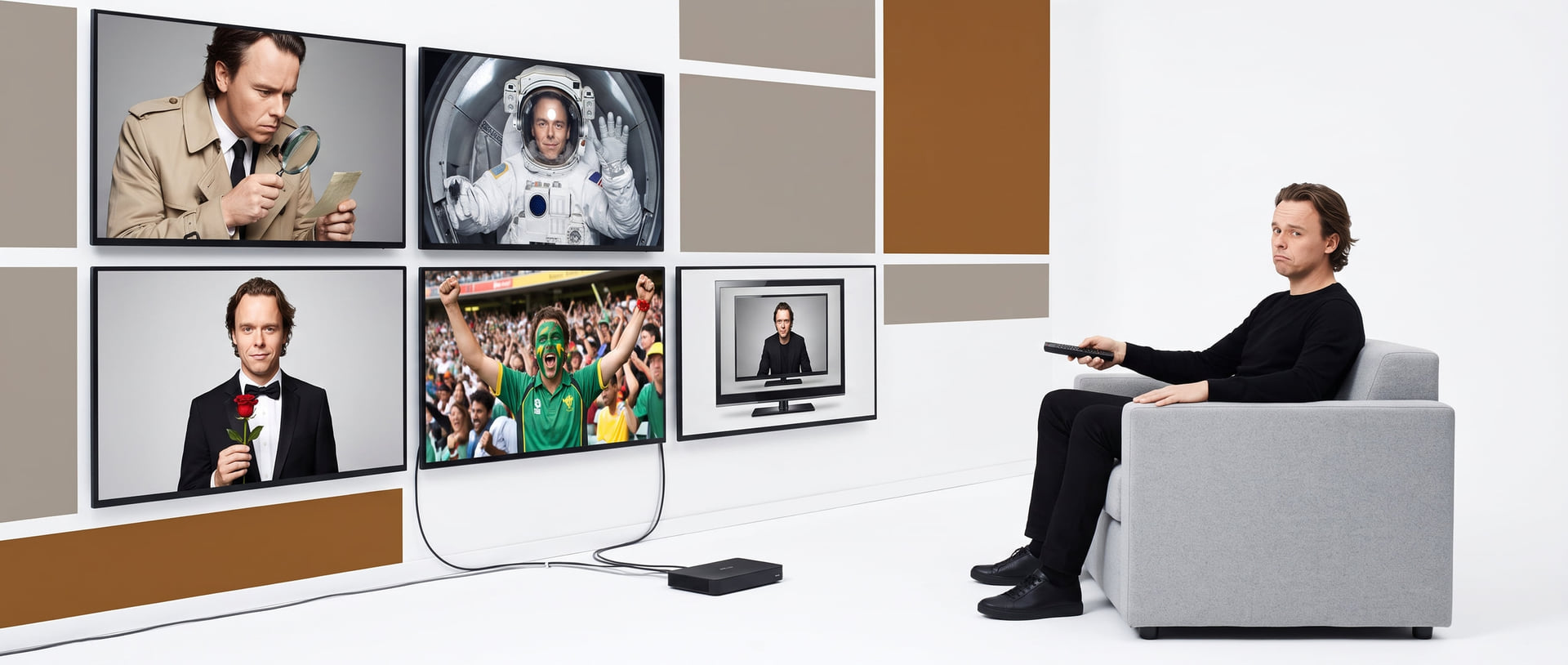
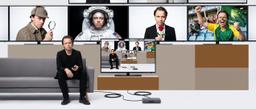
The drawings in the application show a TV with "John's Channel". John can choose from a crime comedy, a romantic comedy, science fiction, and an action thriller. With John in it.
Another example from the application: you watched cricket highlights. Then, during the World Cup, you get a video where you are in the stands cheering.
We are building a Character Studio ourselves. Keeping one face consistent over ten images is already work. An entire channel long is another story. The application does not state how well that would go. Nor does it need to.
And the Advertising
It is included from the start. The channel is linked to an advertising server. An "advertising stitcher" inserts at least one advertisement into what is created.
A channel for one viewer. With a commercial break for one viewer.
The Rejection
According to Patentlyze, the examiner has issued a "final rejection". Google can still amend the claims or appeal. Why it was rejected and when is not mentioned. Nor is whether Google will proceed.
Two caveats from us:
We have not seen the file at the US patent office ourselves. The rejection comes from Patentlyze, and other sites are picking up on it. 404 Media does not mention it.
"Final" sounds more definitive than it is. In the US, it is a step in the procedure, not the end of it.
No product has been announced. No date. In the documents we read, there is no response from Google.
Why It Still Matters
The idea does not come out of nowhere. 404 Media lists it among: ads that AI varies per person, free TV channels that are increasingly niche, TV manufacturer TCL already experimenting with AI films. And Google TV received image and video generation via Gemini earlier this year.
The direction is clear. First, the TV chose something for you. Then it makes something for you.
Whether anyone is interested in that is another question. Digital Trends openly doubts it.
Small
The application has twenty claims and twelve drawings.
Your phone and your TV can each receive a different video.
According to the application, the user determines which data is collected. Those who share less receive more general videos.
The prompt can also come from a second language model, incorporating news, trends, and sports results.
To Follow
Whether Google amends the claims or appeals.
Whether anything appears in Google TV or YouTube.
How consent for your face and voice would be arranged. We read nothing concrete about this.
Everything above comes from reporting on the application. We have not read the application itself from start to finish.
Claude & Peet
Sources

Stories from our work and our minds, in your inbox.
One mail with everything: the blog, AI news and what we are building. No fixed frequency.