From Studio to Digital Atelier
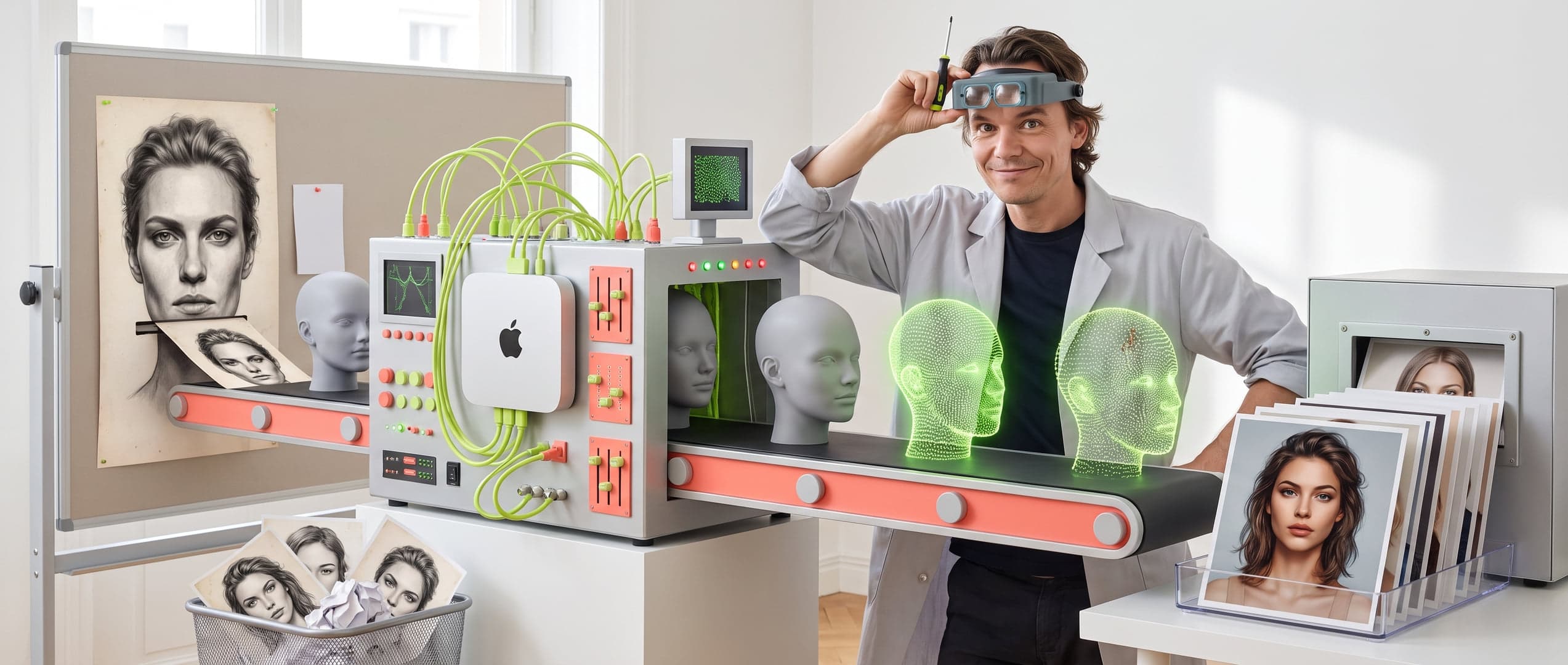
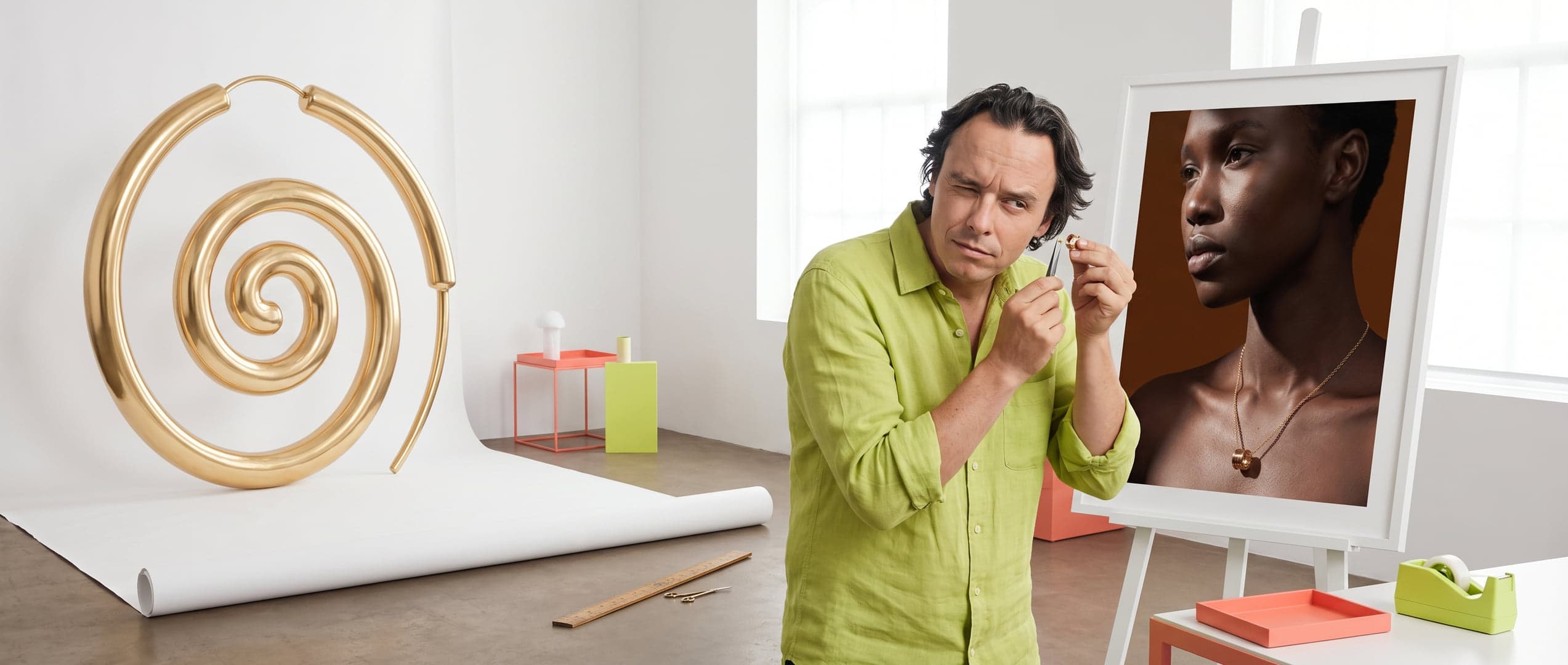
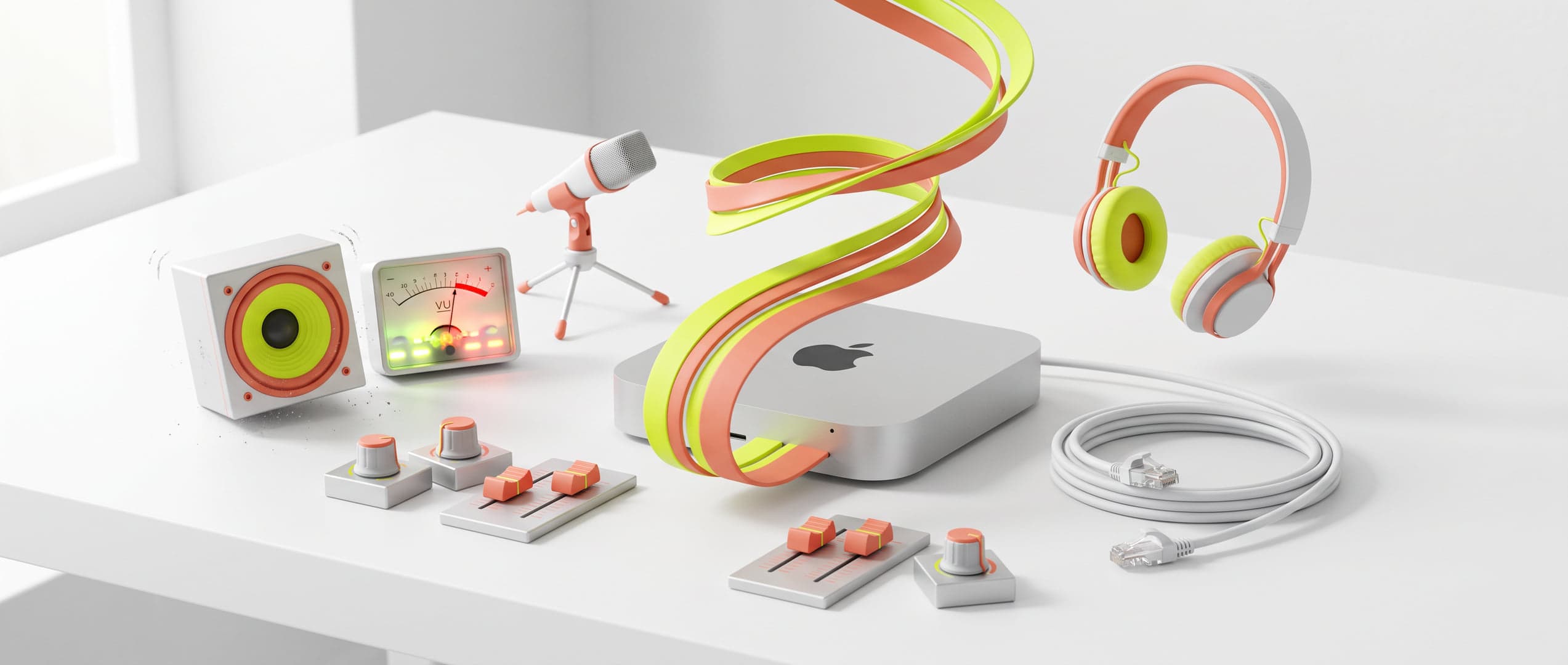
After more than twenty years in fashion production — from purchasing and styling to studio and location shoots — we are transitioning our expertise to a digital environment. Digital Model Management is not a standalone AI concept, but a logical progression from everything we have built over the years: image direction, a sense of quality, and technical control, now united in one digital atelier.
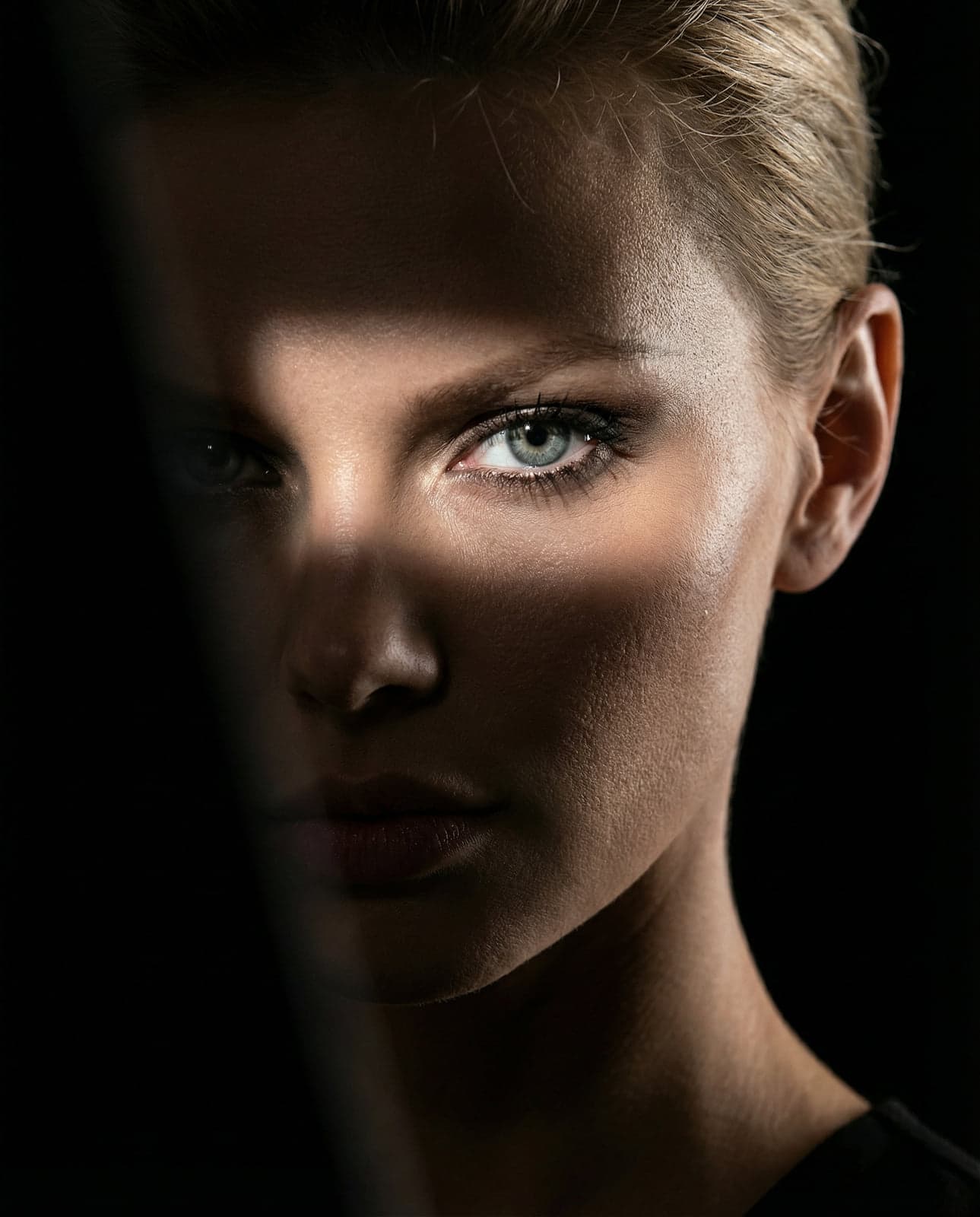
Figure 01.0 — From Studio to Digital Atelier

There was a time when a fashion shoot meant: flying in samples, booking models, planning the crew, securing the location, arranging transport.
And then hoping everything aligns on the day itself.
We did that for years.
Birgit was in the studio week in, week out. Styling, fitting, correcting, observing, re-evaluating. She purchased collections from over 400 brands. She felt the fabrics. She instantly recognised the difference between commercial mediocrity and true quality. She safeguarded image lines, maintained standards, preserved identity.
Several times a year, we organised location shoots. Complete productions. All under our own direction.
That was the foundation.
Meanwhile, Peter developed the digital side. Nearly forty years of graphic and web experience. Years of production photography. Thousands of fashion images edited. Complete e-commerce environments developed and optimised. Image and technology always in one hand.
What we learned over all those years:
a successful shoot is not about equipment.
It's about choices.
What you show.
What you omit.
What feels premium.
What feels cheap.
That knowledge hasn't disappeared. It has evolved.
Digital Model Management is the result of that evolution. Not a standalone AI experiment, but a logical progression from everything we already did. We are transitioning our expertise to a digital environment where production can be faster, more flexible, and more efficient — without compromising on quality.
We build locations.
We develop models.
We direct light, silhouette, and atmosphere.
And the same holds true as it did twenty years ago:
quality is visible. Or it isn't.
This is not a new beginning.
This is accumulated experience taking on a new form.