My First iPhone Works Again
Apple iPhone 2G 16GB (A1203, iPhone1,1) — Original first-generation iPhone from 2007, 3.5" touchscreen, 2MP camera, 128MB RAM, GSM/EDGE 2G, wifi, Bluetooth 2.0, mini-sim, max. iPhone OS 3.1.3.
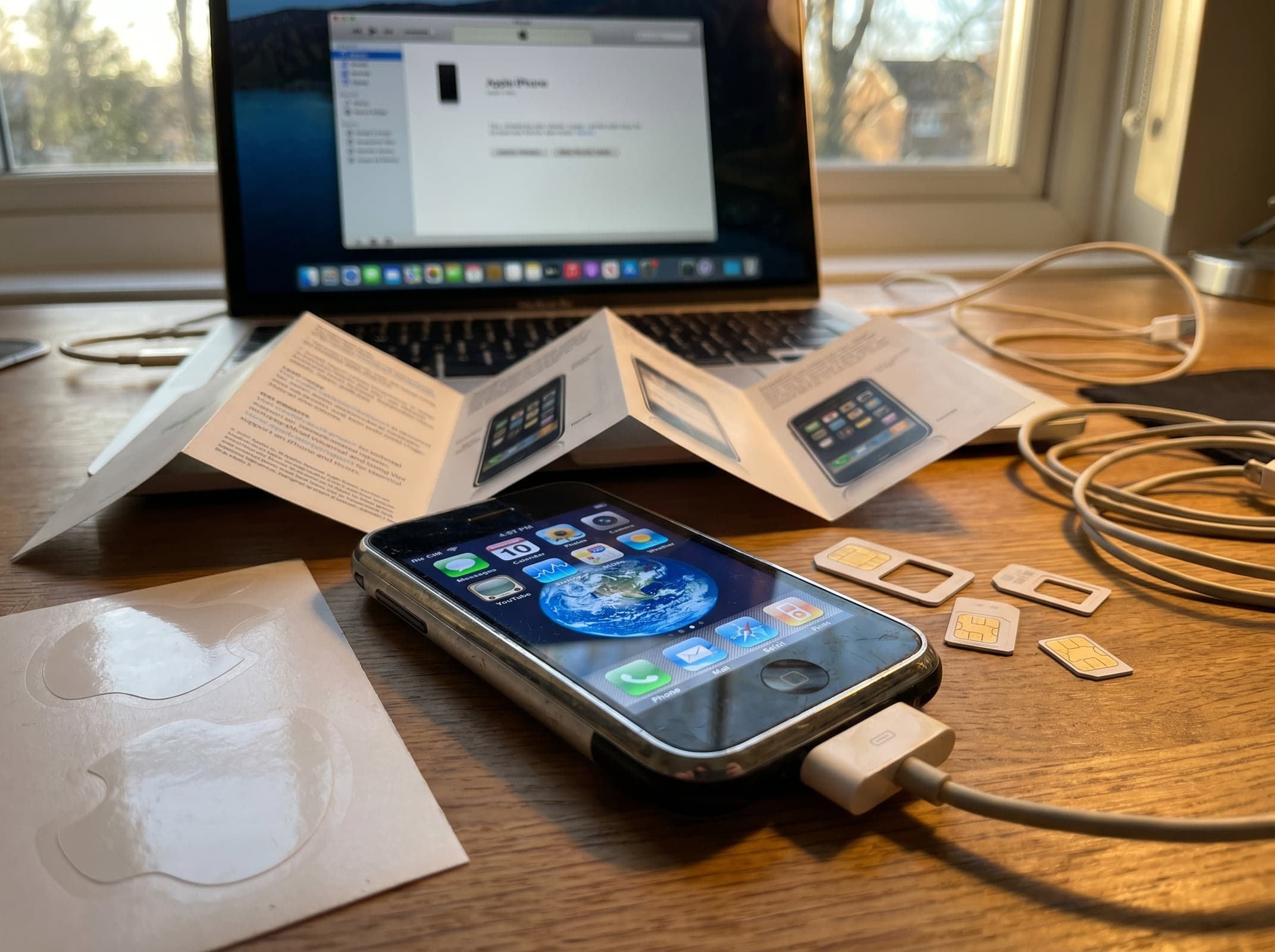
Figure 01.0 — My First iPhone Works Again

I found it in a drawer. The very first iPhone. Chrome back, one round button, 16 GB. The booklet was still there, almost untouched. Almost nineteen years old.
The plan was simple: charge, swipe, done.
That plan lasted thirty seconds.
It starts up neatly. The screen comes to life. And then it gets stuck on activation. This device used to require activation via Apple's servers — and those have been dead for this iPhone for years. No way past that screen.
A wall.
A few hours of tinkering
Old sim cards. Adapters. Every trick. Dead end — it was never the sim.
The real route turned out to be hacktivation: open-source tools that bypass that dead activation and immediately jailbreak the device. On a modern Mac. For a phone from the Bush era. It already felt pleasantly out of place.
And then the struggle. It kept breaking at exactly the same point. Same error message, same "no device found," an hour of going in circles.
The culprit was absurd: Microsoft Defender. A remnant from another life. It quietly consumed one small library file every time it landed on the disk.
Only when Defender looked the other way did everything fall into place.
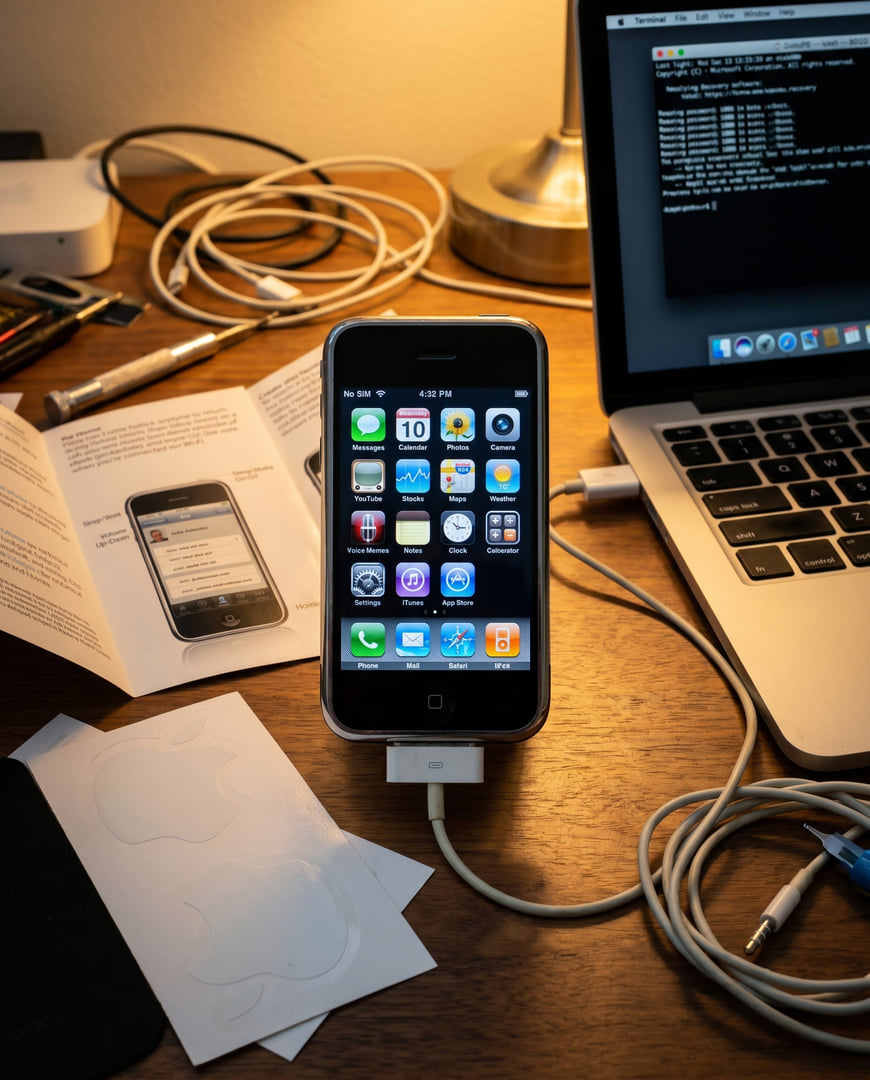
iOS 3.1.3
And then the screen lit up.
The home screen from 2008. Slide to unlock...delightful. The sunflower icon of Photos. That shiny iPod button. The globe, the small iTunes, YouTube. Top left "No SIM" — and yet full of life. The calendar showed today, as if it had just awoken from a very long sleep.
Old school in every detail. The weight in your hand. The chrome back. That one button that really clicks. Slow, but calm. No notifications screaming.
The web has outgrown it. Safari can no longer open modern pages — today's encryption is too new for a browser from back then. It can't keep up.
Not a phone you use. A time capsule you hold.
Why
Not for nostalgia. But because this is a working object from the exact moment when everything changed. The beginning of the phone-in-your-pocket as we know it now.
And there's something serene about getting something like this working again, instead of letting it rot away in a drawer. Slow, in the right way. Preserving something because it feels right, not because it yields anything.
It works again. Almost nineteen years later.
That is enough.
Specs my iPhone 1
Original iPhone (iPhone 2G), 16 GB — released February 2008, model A1203 / iPhone1,1 / m68ap, serial no. 888151V90KH, IMEI 011472000844256, CE 0682, Samsung S5L8900 ARM11 @412 MHz, PowerVR MBX Lite GPU, 128 MB RAM, 16 GB storage, 3.5″ 320×480 LCD (163 ppi), 2 MP camera (no video, no flash), GSM/EDGE 2G (no 3G, no GPS), wifi 802.11b/g, Bluetooth 2.0, 30-pin dock, mini-sim, 1400 mAh, 115×61×11.6 mm, 135 g, designed by Apple in California, assembled in China, iPhone OS 1.0 → max iOS 3.1.3.
— Peet